The Introduction to Motion
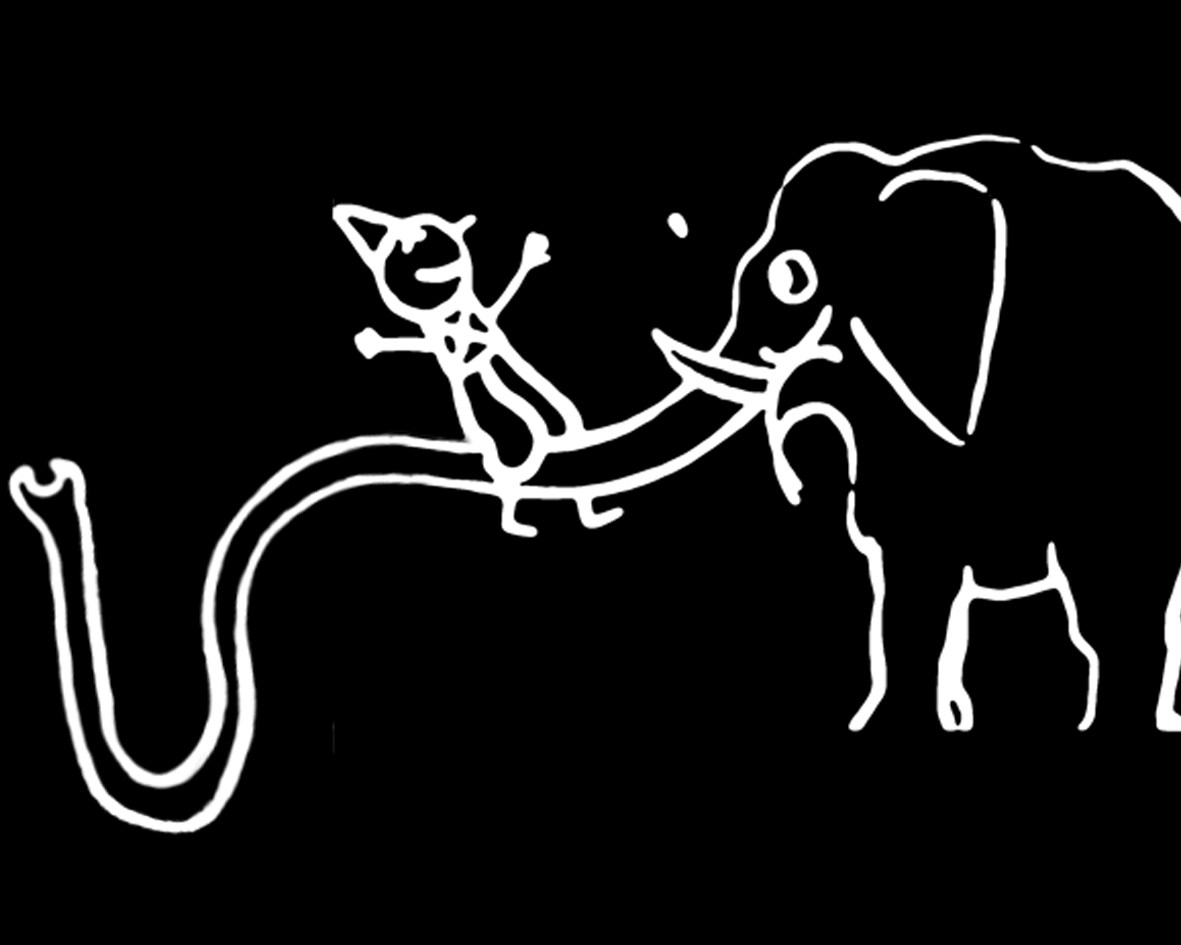
Since the turn of the last century, innovation in pictures was always sought with limited space. The idea of fitting several images onto a surface that could perpetuate motion can't quite be pinpointed, but in 1907, French artist Emile Cohl had the idea to trace one drawing from another, leading to the first use of straight-ahead action and the dawn of animated films. The feature, titled "Fantasmagorie," is thought to be one of the first animated films in the world.
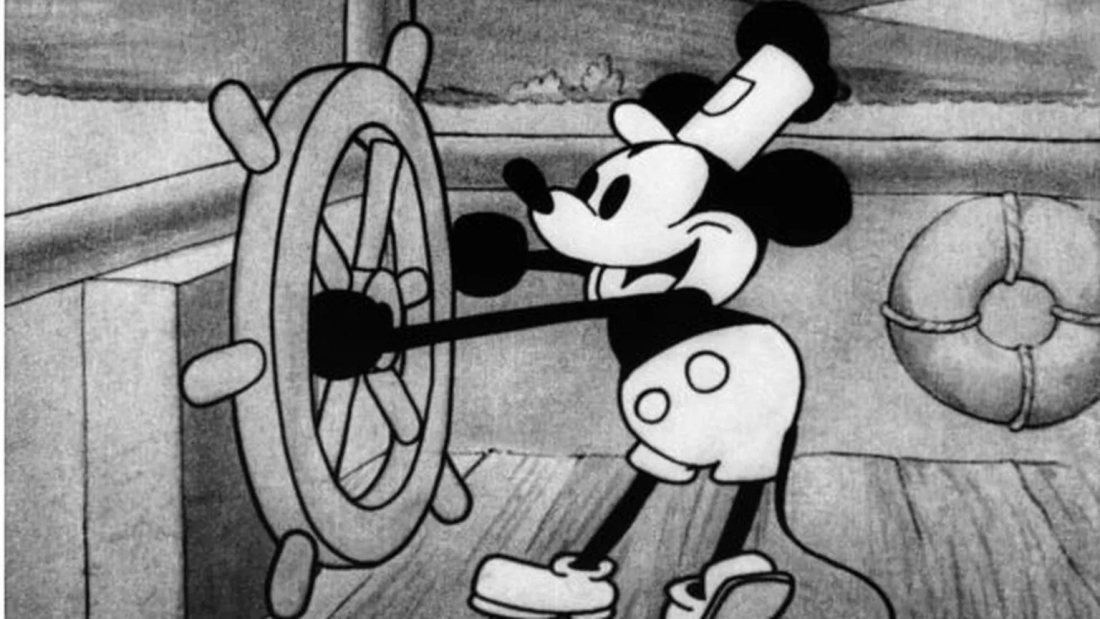
Around 1920, animation had started to become realized as a new medium. In 1922, Steamboat Willie was released, popularizing Mickey Mouse and setting Disney's monopoly into motion. The film featured original music, which was new at the time and drew in interested crowds by droves.
In 1933, King Kong was released, sporting the first use of stop motion as a primitive example of CGI(Or practical effects at the time). This was a mere push for artists to start exploring with other media for animation, as many filmmakers experimented with other materials such as clay and cutouts. The world of art had entered an arts-and-crafts approach to a standardized formula, a childlike approach to a dignified field.
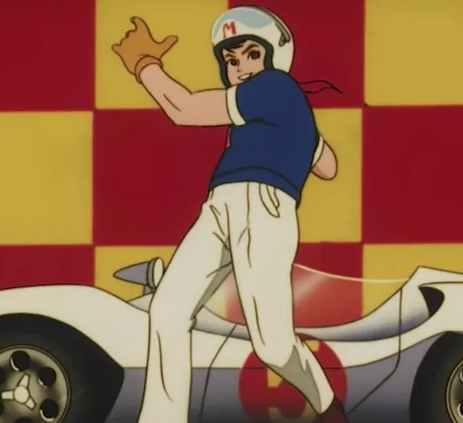
With the West producing and distributing this new wave of art, it was only a matter of time before the East tried its hand at the craft. Young artists were inspired by products such as Felix the Cat, Betty Boop, and of course Disney's films that started to rise above the rest. In Japan, shows based on the new medium were published and distributed, such as Astro Boy and Speed Racer. The distribution was hard to come by, as only those interested in the medium of animation would send and receive these imports and each party relied on the expertise of international traders that could work to their interests. Of course, art is not traditionally consumable or practical the way foods or materials are. The industry didn't have the stopping power it does today.
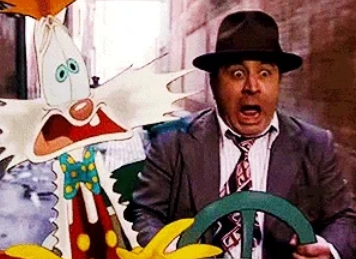
As hard as animation is to quantify, Richard Williams did his best to document the art and created
the critically acclaimed Who Framed Roger Rabbit? in 1988. With this, animation had gone
from an established medium to an overwhelmingly positive force in the entertainment industry,
compounding its value and shaking the foundation of Hollywood.
The Oscars still haven't recovered.