Traditional
Hand drawn, laid out from frame to frams in manually drawn images back to back. This is how it's always been done. Animators draw a frame and a timeline, and use a table with a lit surface to see through the page to the previous frame. All principles were formed with this method and are used across all styles.
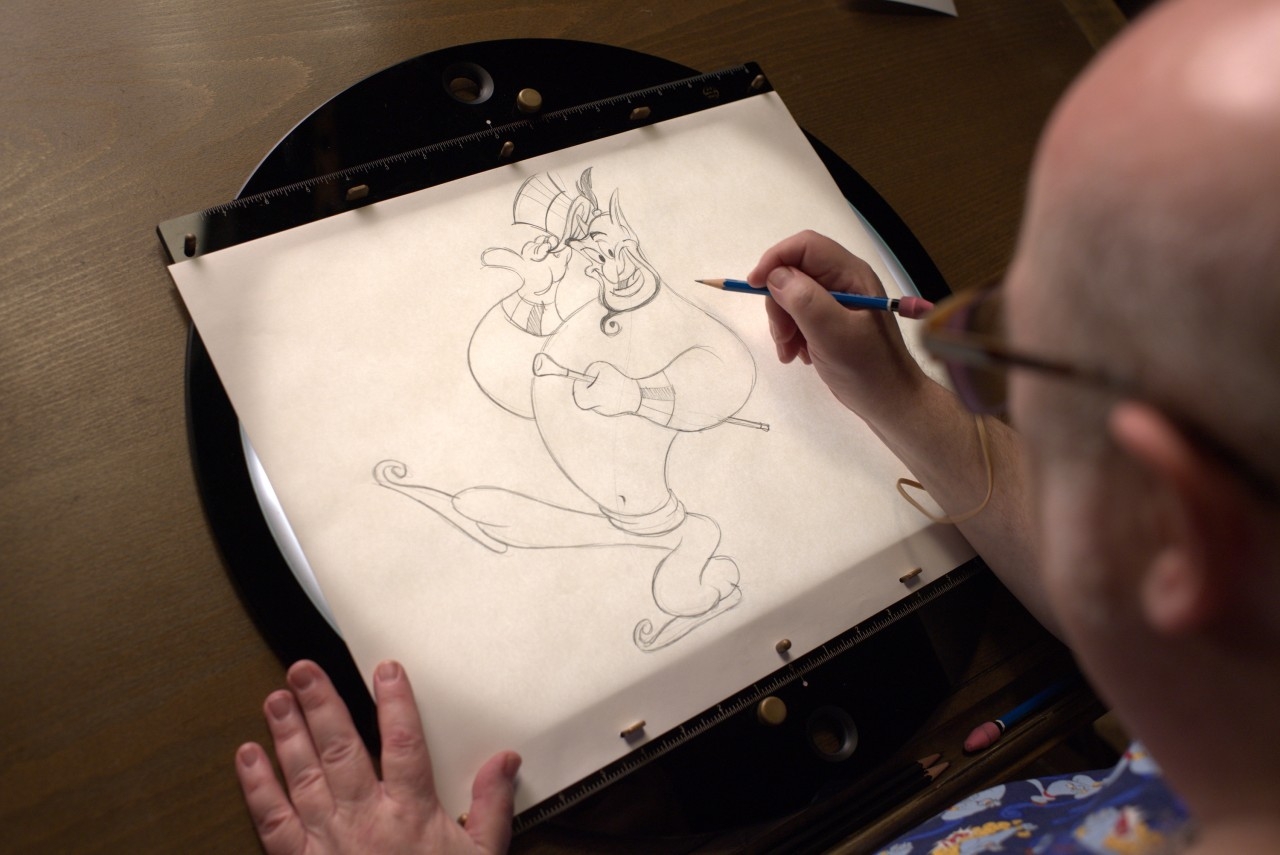
Disney's Alladin, 1992
Digital
While frames still have to be drawn out and backgrounds painted, less paper is involved and computer assistance is available. Tools such as tweening help fill frames in between key poses, but everything still needs to be polished by hand. Since everything is digital, things can be scaled, replaced, and cleanly modified to keep the final product looking perfect for less cost and risk.
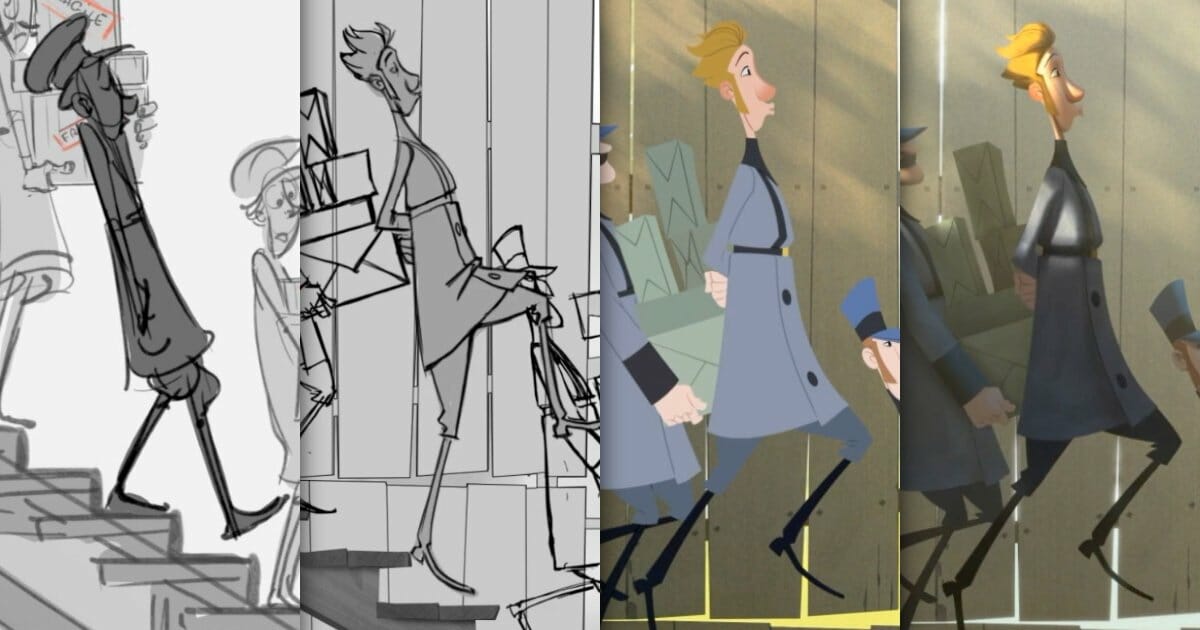
Klaus, The SPA Studios, 2019
Stop Motion
Physical models made of any sort of material are posed, photographed, posed again, photographed... This is one of the most tedious forms of animation and one of the most respected. Before there was CGI, there was stop motion. These models usually consisted of a clay exterior with a metal wire armature underneath, like a skeleton. As a matter of fact, the interior of these models is known as a skeleton.
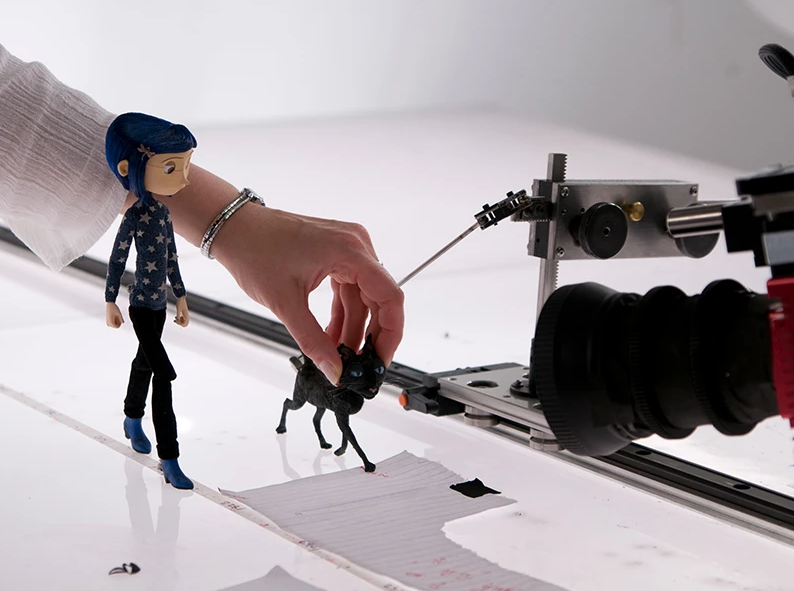
Coraline, LAIKA, 2009
3D
One of the easiest to start with, 3D takes care of perspective, solid lines, staying on model, and every frame in between. Everything before and after is where the tricks lie. Models are composed of little triangles, called polygons, that follow an internal skeleton, similar to stop motion puppets. UV coordinates wrap around polygons to give models textures, similar to how oragami models start from a flat sheet and end up a 3-dimensional model. 3D uses every trick in previous media to work and some artists even work backwards to give 3D a more 2D style, such as faking perspectives.
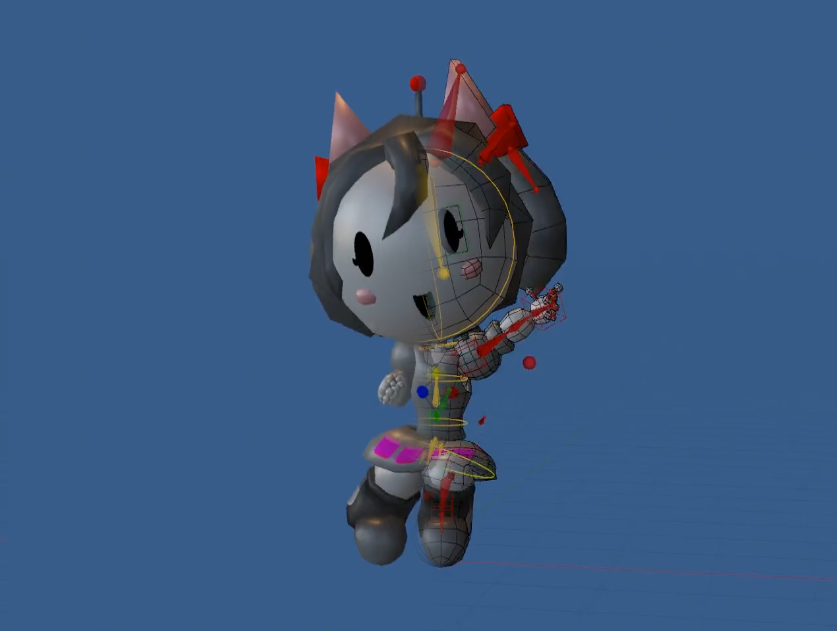
Anna-Logue!, MockNET, 2024